Category: Guides

ShopScanner buying guides for Canadian shoppers β€” best snow blowers, cordless drills, tool comparisons and how to pick the right gear.

  • Milwaukee M18 vs DeWALT 20V MAX: Picking Your Battery Platform

    Milwaukee M18 vs DeWALT 20V MAX: Picking Your Battery Platform

    Both platforms are excellent. Both have deep tool lineups, endless Canadian retail availability, and deals every month. The wrong choice costs you hundreds in duplicate batteries and chargers β€” here’s how to pick once and pick right.

    Why the platform decision matters more than any single tool

    A drill first is cheap. Twenty batteries over ten years are not. Bare-tool deals run $50–$120 less than kits, so the batteries you buy first are the ones you’ll live with. Picking a platform is really picking a battery system β€” the tool choice flows from there.

    Milwaukee M18: the trades favourite

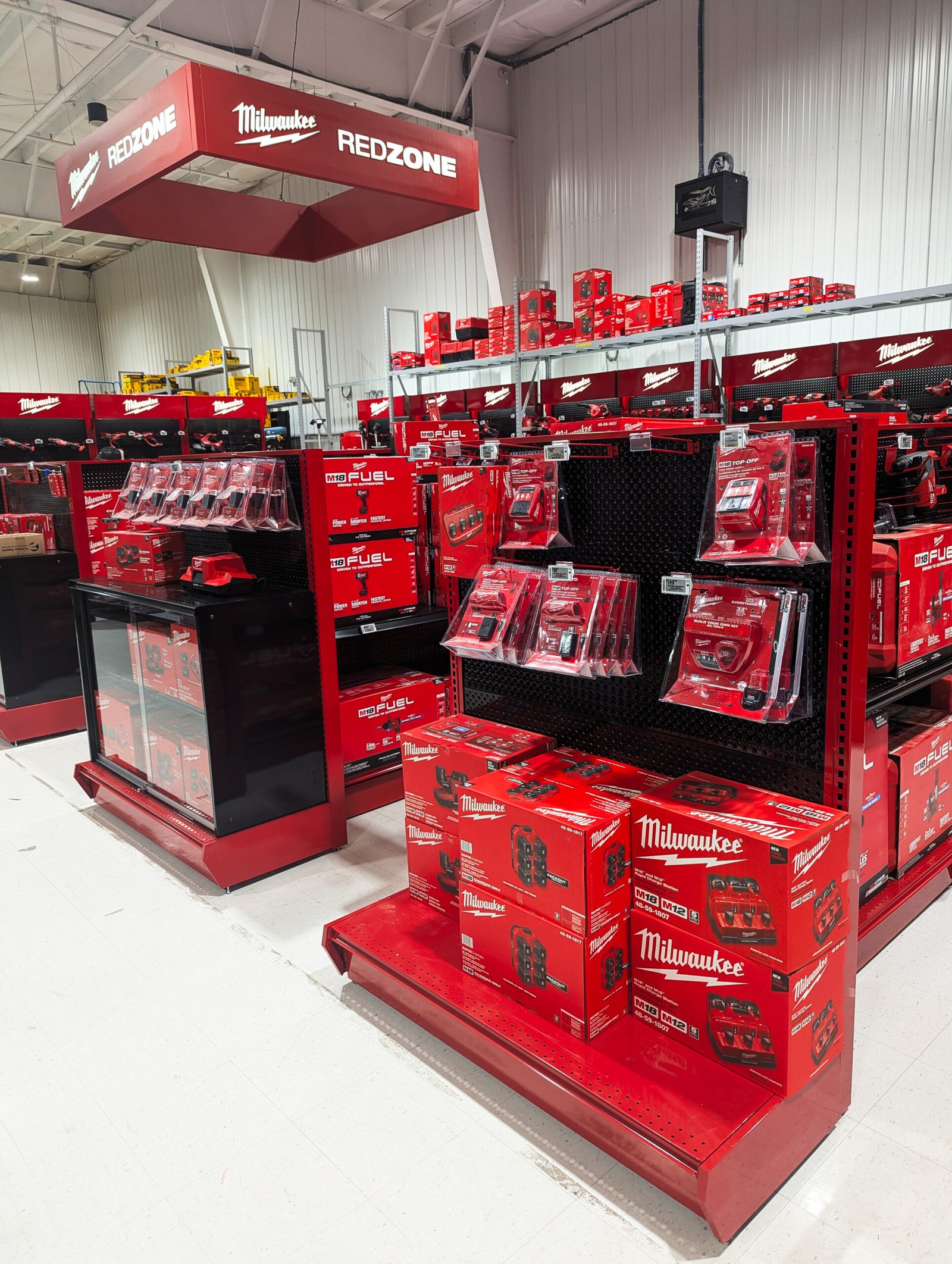
    Milwaukee’s M18 lineup is the deepest in the business, especially for trade tools β€” plumbing, electrical, HVAC, and mechanical. Their FUEL line is the brushless top tier, consistently ranking at the top of independent tool tests.

    The compact M12 sub-platform is arguably the best small-tool system in the world, and it shares chargers and logic with M18 β€” so one Milwaukee drawer covers both.

    • Best for: contractors, serious DIYers, widest tool selection. Canadian availability: Home Depot, KMS Tools, Canadian Tire. Deals: Milwaukee M18 FUEL 1/2″ Compact Impact Wrench (tool only) β€” $248 (was $328) deal
    • Milwaukee M18 FUEL Jig Saw (tool only) β€” $248 (was $298) deal
    • Milwaukee M12 FUEL Hammer Drill + Impact Driver Combo β€” $278 (was $348) deal

    DeWALT 20V MAX: the all-rounder

    DeWALT 20V MAX is the most widely available cordless platform in Canada β€” every hardware chain, every tool dealer, and a constant drumbeat of combo-kit deals that are often the cheapest way to start a battery system.

    FLEXVOLT batteries bridge up to 60V for the heavy tools (saws, grinders) while still powering your 20V drill β€” a genuinely clever trick if you might grow into the bigger tools.

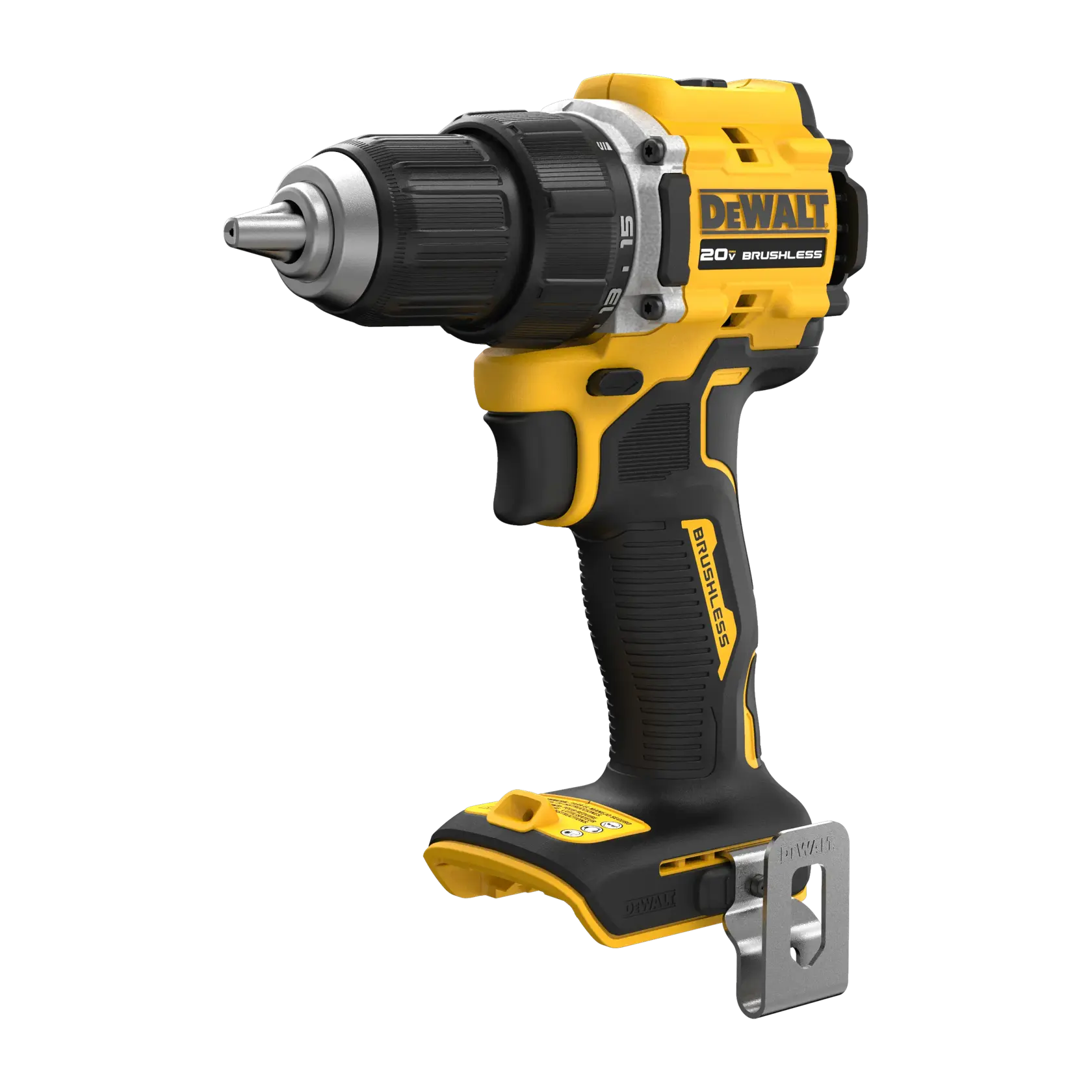
    • Best for: homeowners wanting deepest discount pool, availability, and resale value. Availability: everywhere β€” most ubiquitous platform in Canada. Deals: DEWALT 20V MAX Brushless Hammer Drill Kit β€” $149.99 (was $239.99) deal
    • DEWALT 20V MAX ATOMIC 1/4″ Impact Driver (tool only) β€” $98 (was $149) deal
    • DEWALT Xtreme 12V MAX Drill/Driver + Impact Driver Kit β€” $199 (was $299) deal

    The honest verdict

    Contractors lean Milwaukee; value hunters lean DeWALT. Both are excellent choices that will serve you for a decade β€” the real mistake is bouncing between them.

    The tiebreakers:

    • Own a battery? Stay β€” batteries are the expensive part.
    • Need niche trade tools? Milwaukee. Want the widest sale pool and easiest availability? DeWALT.
    • Starting from zero and minimizing cost? DeWALT on a combo-kit sale.
    • Compact power for indoor/finish work? Milwaukee M12.

    Platform buying rules

    1. Buy your first tool as a kit with two batteries β€” the two-battery kit is worth ~$100 more than the tool-only deal and saves you a charger purchase.
    2. Then hunt bare-tool (tool only) deals β€” this is where the savings live once you own batteries.
    3. Don’t mix brands at the battery level β€” one platform per battery size, no exceptions.
    4. Skip off-brand batteries β€” they void warranties and die young.

    As an Amazon Associate we earn from qualifying purchases. Prices fluctuate β€” the retailer’s price at checkout is final.

  • Snow Blower Buying Guide for Canadian Winters

    Snow Blower Buying Guide for Canadian Winters

    Canadian snow isn’t one thing. Vancouver slush, Prairie powder, and a Maritime nor’easter that drops 40 cm of wet cement overnight each demand a different machine. Here’s how to buy the right snow blower the first time β€” and when to buy it, because timing is worth $100+.

    Single-stage vs two-stage: the big decision

    Single-stage blowers scrape right down to the pavement and throw snow up to ~10 metres. They’re compact, lighter, and cheaper. Best for: paved driveways, regions with lighter snow (most of the Lower Mainland, southern Ontario), and snowfall mostly under 20 cm.

    Two-stage blowers have a separate auger and impeller β€” they chew through deep, packed, and wet snow, handle gravel driveways (the auger doesn’t touch the ground), and throw snow much further. Best for: rural properties, the Prairies, Atlantic Canada, snow belts, and anyone whose plow leaves a wall of ice at the end of the driveway.

    The end-of-driveway test: if the municipal plow regularly leaves you a frozen berm, buy a two-stage. No single-stage will save you.

    Gas vs battery in 2026

    Battery blowers finally grew up. A modern 40V–80V two-stage battery machine clears a typical suburban driveway on one charge and starts every time β€” no gas, no oil, no carburetor gummed up by October. Limits: very long driveways, very deep snow, and battery replacement cost down the road.

    Gas is still king for big properties and brutal climates, and a well-kept gas blower runs for 20 years. It’s also the most machine for the dollar on sale.

    Current battery pick: RYOBI 40V HP 21-inch Brushless Snow Blower Kit with 2Γ— 6.0Ah batteries β€” $848 (was $898). Two big batteries included is what makes it work in real snow. See the deal

    Size it to your driveway

    • 1–2 car paved driveway, mild winters: 18–21″ single-stage.
    • 2–4 car driveway, regular snow: 21–24″ two-stage (gas or high-voltage battery).
    • Long/rural driveway or gravel: 24–28″ two-stage gas, with heated grips if you’re out there at 6 AM.
    • Apartment/condo walkways: a cordless single-stage or even a power shovel β€” storage space decides.

    Don’t forget the cheap accessory that saves your knuckles: a snowblower chute clearing tool (currently $5.99, was $9.99) β€” never clear a clogged chute by hand. See the deal

    Got an ATV already? A universal ATV plow kit (currently $299.99, was $499.99) turns it into a snow-clearing rig for less than a blower. See the deal

    When to buy

    Best prices: September–October (early-bird sales before demand spikes), Black Friday, and February–March clearance (if you can plan a season ahead, this is where 30–40% off lives). Worst time: the morning after the first big storm, when you’ll pay full price and like it.

    Buying checklist

    • Clearing width matches your driveway and gate/storage space
    • Two-stage if gravel, deep snow, or plow berms
    • Electric start on gas models (your shoulder will thank you at -20)
    • Battery models: confirm two batteries are included, not one
    • Check the return window β€” you can’t test it in real snow within 30 days of a September purchase from every retailer

    As an Amazon Associate we earn from qualifying purchases. Prices fluctuate β€” the retailer’s price at checkout is final.

  • Impact Driver vs Hammer Drill: Which Do You Actually Need?

    Impact Driver vs Hammer Drill: Which Do You Actually Need?

    They look similar, they often come in the same combo kit, and half the people who own both still grab the wrong one. Here’s the plain-English difference β€” and which one your money should go to first.

    The 30-second version

    • A drill/driver spins. It drills holes and drives screws with a clutch that stops at a set torque. It has a chuck that grips bits.
    • An impact driver spins and hammers rotationally β€” thousands of little concussive blows per minute that muscle long screws and lag bolts home without twisting your wrist off. It takes 1/4″ hex bits only, no chuck.
    • A hammer drill is a drill/driver with an added hammer mode that pounds forward while spinning, for drilling into concrete, brick, and stone.

    What each one is best at

    Drill/driver: drilling clean holes in wood, metal, and plastic; driving screws in delicate work where the clutch prevents snapping or sinking them too deep. If you own exactly one tool, this is it.

    Impact driver: long structural screws, lag bolts, deck building, flat-pack marathons. It drives big fasteners with less effort, less cam-out, and less wrist strain than a drill. Once you use one on a deck build, you won’t go back. The trade-off: no chuck, so no standard drill bits (hex-shank bits only), and it’s loud.

    Hammer drill: everything a drill/driver does, plus holes in concrete for anchors, tapcons, and mounting into foundation walls or brick. In Canada, sooner or later everyone needs to anchor something into a basement wall. If your drill budget covers one tool, make it a hammer drill β€” the hammer mode turns off for normal work.

    The money answer

    Buy the combo kit. A drill + impact driver kit with two batteries costs far less than the two tools bought separately, and you’ll use both constantly. Current picks:

    • CRAFTSMAN BRUSHLESS RP 20V Drill/Driver + Impact Driver Kit β€” $179 (was $269) β€” the cheapest respectable brushless combo going. See the deal
    • Milwaukee M12 FUEL Hammer Drill + Impact Driver Combo β€” $278 (was $348) β€” compact, pro-grade, and the hammer drill covers your concrete work too. See the deal
    • DEWALT 20V MAX Brushless Hammer Drill Kit β€” $149.99 (was $239.99) β€” if you only have room in the budget for one tool today, this is the one. See the deal

    Common mistakes

    Using the impact driver for everything. It’s tempting, but without a clutch it’ll snap small screws and overdrive into soft material. Delicate assembly = drill with clutch.

    Buying a drill without hammer mode to save $20. The first time you need a hole in your foundation wall, you’ll rent a hammer drill for more than the difference.

    Mixing platforms. Batteries are the expensive part. Pick one platform (DEWALT 20V, Milwaukee M18/M12, Makita LXT, Ryobi ONE+) and stay in it β€” every future bare-tool deal gets cheaper.

    As an Amazon Associate we earn from qualifying purchases.

  • Best Cordless Drill Deals in Canada (2026)

    Best Cordless Drill Deals in Canada (2026)

    A good cordless drill is the first power tool most people buy β€” and the one that decides which battery platform you’re locked into for the next decade. Here’s how to shop the Canadian deals without overpaying, plus the drills we’re watching right now.

    What actually matters in a cordless drill

    Brushless beats brushed. Brushless motors run cooler, last longer, and squeeze more work out of every charge. In 2026 there’s no reason to buy a brushed drill unless the deal is truly bottom-dollar.

    Voltage class. 12V kits are light and fine for flat-pack furniture and light duty around the house. 18V/20V MAX is the sweet spot for real work β€” framing, decking, drilling into studs all day. Go 12V only if weight matters more than power.

    Kit vs bare tool. A “kit” includes batteries and a charger; a “bare tool” or “tool only” does not. Bare-tool deals look cheap until you price the batteries. If you’re starting fresh, buy a kit. If you already own batteries in that platform, bare-tool sales are where the real bargains hide.

    Chuck size. 1/2″ is standard and handles everything a homeowner or pro throws at it. 3/8″ chucks belong on light-duty tools.

    The drills we’re tracking right now

    • DEWALT 20V MAX Brushless Hammer Drill Kit β€” $149.99 (was $239.99) β€” the do-everything pick; brushless, hammer mode for masonry, two batteries. See the deal
    • Milwaukee M12 FUEL Hammer Drill + Impact Driver 2-Tool Combo β€” $278 (was $348) β€” compact 12V that punches way above its weight class; the pro favourite for cabinet and finish work. See the deal
    • CRAFTSMAN BRUSHLESS RP 20V Drill/Driver + Impact Driver Kit β€” $179 (was $269) β€” the value play: brushless, two tools, two batteries, under $200. See the deal
    • Makita 18V LXT 1/4-in Impact Driver Kit β€” $129 (was $169) β€” if you’re on (or want) the Makita LXT platform, this is the cheapest respectable way in. See the deal
    • DEWALT 20V MAX ATOMIC Impact Driver (Tool Only) β€” $98 (was $149) β€” already own DEWALT 20V batteries? This is the add-on deal to grab. See the deal

    Prices checked on the retailer pages β€” we verify every deal before it posts, and pull it when the sale dies.

    When drills go on sale in Canada

    The best prices land on predictable dates: Father’s Day (June), Black Friday (late November), Boxing Week, and the retailer “pro events” β€” Home Depot’s Pro Xtra days and KMS Tools’ brand days in spring and fall. Combo kits get the deepest cuts; if you can wait for one of those windows, a two-tool kit routinely drops $70–$120.

    Quick FAQ

    Is 20V MAX more powerful than 18V? No β€” it’s marketing. 20V MAX and 18V are the same class (20V is the peak voltage, 18V the nominal). DEWALT says 20V MAX; Milwaukee, Makita, and Bosch say 18V. Same league.

    How many batteries do I need? Two. One in the tool, one on the charger. A kit with two batteries is worth real money over a one-battery kit.

    Should I buy the extended warranty? For drills, generally no. Brushless tools from the big brands are reliable, and the sale price is usually low enough that self-insuring wins.

    As an Amazon Associate we earn from qualifying purchases. Prices fluctuate β€” the price on the retailer’s page at checkout is the one that counts.