
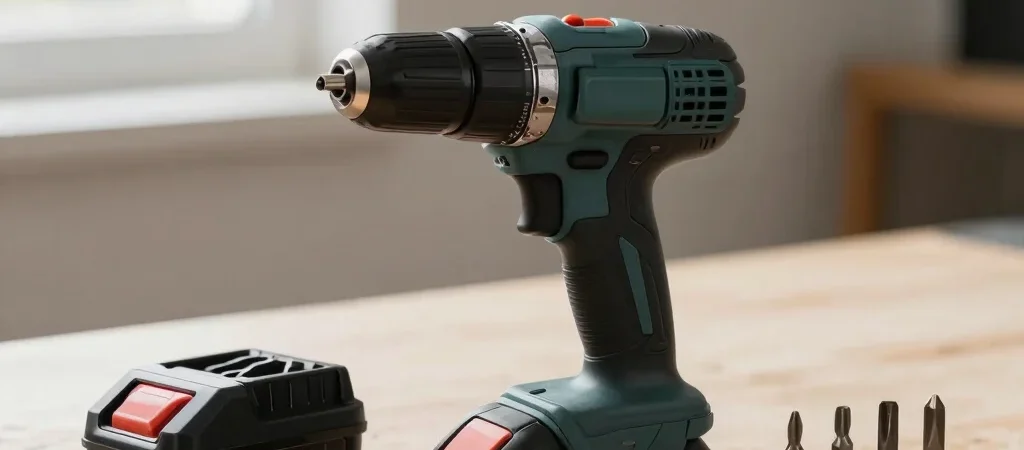
A cordless drill listing can make a deal look clear: same brand, similar power, lower price. Then you spot the small print—one option includes a battery and charger, while the other is a bare tool. For a useful comparison, start with what you’ll need to get working, not the number in the headline.
Compare the complete setup
Check whether the listing includes a battery, charger, case, and any bits. If you already own compatible batteries, a bare tool may be the sensible choice; if you’re starting from scratch, a kit can save you from buying those pieces separately. Make sure you’re comparing the same battery platform and not just similar-looking model names.
For furniture assembly and ordinary household repairs, a compact drill-driver may be easier to handle than a heavier hammer drill. If you expect to drill into masonry, look for a hammer-drill setting and use a suitable masonry bit. The extra feature is useful only if it matches the work you actually plan to do.
Read past the power claims
A clutch with adjustable settings helps keep screws from sinking too far into softer materials, while a variable-speed trigger gives you more control when starting a hole. Pay attention to weight and grip as well: holding a drill overhead to install a curtain rod feels different from driving a few screws at bench height. These practical details can matter more than a headline spec.
Before deciding, compare the exact model number, included accessories, and return terms across listings. A discount on a bundle is not automatically better value if you already have the batteries or won’t use the extras. The Good Find may earn a commission if you purchase through affiliate links; that does not change the details you should weigh against your own project.


